
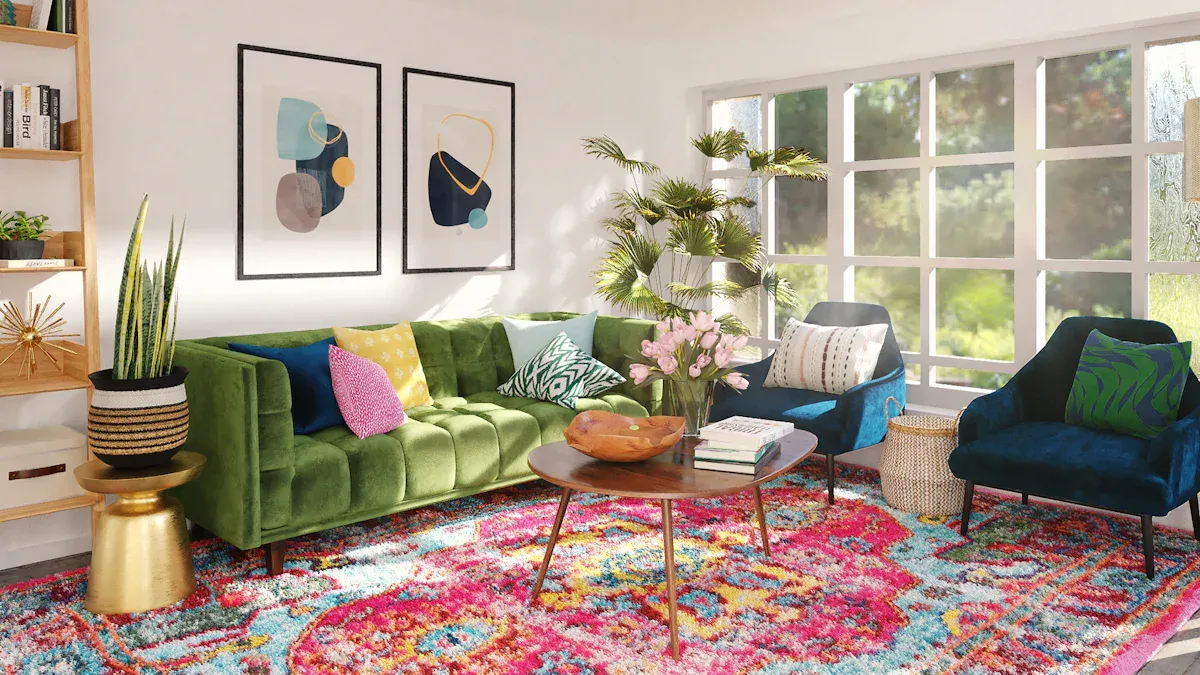
Color shapes how a living room feels. The right shade can make a space feel cozy, lively, or calm. Choosing living room color ideas that fit your style creates a welcoming atmosphere. Light affects how each color looks. Furniture and decor also play a role in how colors stand out. Try different samples to see what works best for your home.
Living Room Color Ideas for 2026
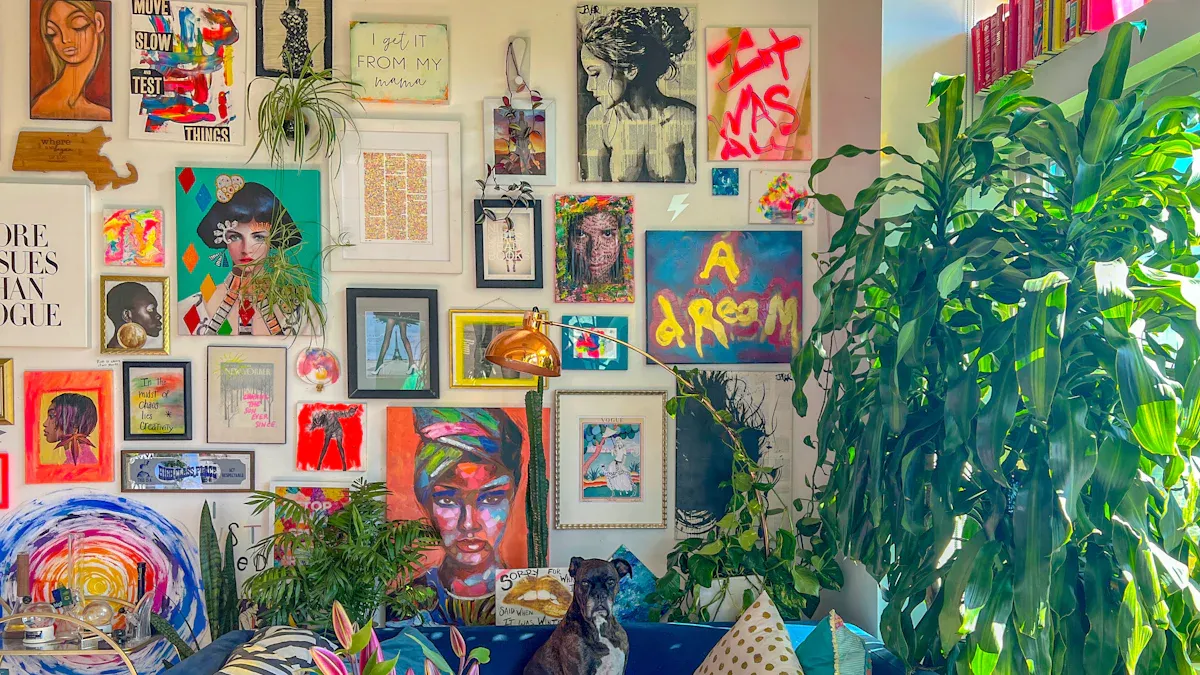
Warm Whites
Dover White
Dover White brings a soft, creamy look to any living room. This shade feels inviting and bright. It works well in rooms with lots of natural light. Dover White pairs nicely with wood furniture and green plants. Many designers choose this color for its timeless appeal. It helps small spaces feel larger and more open.
Warm White
Warm White offers a gentle glow. It creates a cozy and welcoming atmosphere. This color fits both modern and traditional styles. Warm White looks great with gold or brass accents. It also matches well with soft fabrics like linen or cotton. People often use this shade to make their living room feel calm and peaceful.
Tip: Try painting a sample of Warm White on your wall. Watch how it changes throughout the day as the light shifts.
Modern Neutrals
Greige
Greige is a mix of gray and beige. It has become one of the most popular living room color ideas in recent years. Greige gives a balanced, modern look. It works with many types of decor, from minimalist to rustic. This color hides dirt better than pure white, making it a practical choice for busy homes.
Mushroom Beige
Mushroom Beige brings a soft, earthy tone to your space. It feels warm and natural. This color pairs well with green, brown, or cream accents. Mushroom Beige can make a living room feel grounded and relaxed. It is a great option for those who want a neutral color with a bit more depth.
Gentle Beige
Gentle Beige is a light, subtle shade. It adds warmth without overpowering the room. This color works well in both large and small spaces. Gentle Beige looks beautiful with white trim and dark wood floors. It is one of the most versatile living room color ideas for 2026.
Earthy Browns
Umber Brown
Umber Brown is a rich, deep shade. It brings a sense of comfort and stability. This color works best in rooms with plenty of light. Umber Brown pairs well with cream, tan, or even bold colors like teal. It can make a large living room feel more intimate.
Mocha
Mocha is a warm, chocolatey brown. It adds depth and richness to your living room. Mocha looks great with soft blues, greens, or metallic accents. This color is perfect for creating a cozy, inviting space. Many people choose Mocha when they want a classic yet modern look.
Note: Earthy browns are trending in living room color ideas for 2026. They help create a natural, grounded feeling in your home.
Soft Greens
Sage Green
Sage Green brings a calm and natural feeling to any living room. This color looks soft and gentle. Many people choose Sage Green because it reminds them of nature. It works well with wood furniture and white trim. Sage Green can make a room feel peaceful and fresh. This shade fits both modern and classic styles. It also pairs nicely with gold or brass accents.
Tip: Use Sage Green on walls and add plants for a relaxing, garden-inspired space.
Muddy Green
Muddy Green is a deeper, earthier shade of green. It feels cozy and grounded. This color works well in rooms with lots of sunlight. Muddy Green pairs with beige, brown, or cream. It can help a large space feel more intimate. Many designers use Muddy Green for a modern, earthy look. This shade also hides marks and scuffs better than lighter colors.
Calming Blues
Light Blue
Light Blue creates a cool and airy atmosphere. This color makes a living room feel open and bright. Light Blue works well with white, gray, or pale wood. It is a popular choice for coastal or cottage-style homes. Light Blue can help reduce stress and make a space feel calm. Many people use this shade to bring a sense of peace to their living room.
Midnight Blue
Midnight Blue is a rich, deep shade. It adds drama and elegance to a living room. This color works best in rooms with good lighting. Midnight Blue pairs well with metallic accents like gold or silver. It also looks great with crisp white trim. This shade can make a large room feel cozy and stylish. Midnight Blue is one of the boldest living room color ideas for 2026.
Charcoal Blue
Charcoal Blue blends blue and gray for a modern look. This color feels sophisticated and cool. Charcoal Blue works well with white, black, or wood tones. It can serve as a main wall color or as an accent. Many people choose Charcoal Blue for a sleek, urban style. This shade hides dirt and marks, making it practical for busy homes.
Note: Calming blues are trending in living room color ideas. They help create a soothing and restful space.
Muted Teal
Muted Teal offers a mix of blue and green with a soft, dusty finish. This color feels both fresh and timeless. Muted Teal works well with beige, gray, or natural wood. It can be used on all walls or as an accent color. Muted Teal brings energy without being too bright. Many designers recommend this shade for those who want a unique but subtle look. Muted Teal fits well with both modern and vintage decor.
- Try pairing Muted Teal with brass light fixtures for a stylish touch.
- Add textured pillows or throws in similar shades to tie the room together.
Dusky Pink
Dusky Pink brings a gentle and sophisticated look to any living room. This color has a muted, rosy tone that feels soft and welcoming. Many designers choose Dusky Pink for its ability to add warmth without being too bold. It works well with neutral shades like beige, gray, or white. Dusky Pink also pairs nicely with gold or brass accents.
People often use Dusky Pink to create a cozy and relaxing space. This color fits both modern and vintage styles. It can serve as a main wall color or as an accent on one wall. Dusky Pink looks beautiful with velvet pillows or textured throws.
Tip: Try adding Dusky Pink through artwork, rugs, or curtains if you want a subtle touch.
Dusty Lilac
Dusty Lilac offers a soft blend of purple and gray. This color feels calm and elegant. Dusty Lilac works well in rooms with lots of natural light. It pairs with white, silver, or pale wood tones. Many people choose Dusty Lilac to bring a gentle pop of color without overwhelming the space.
This shade fits well in both classic and modern living rooms. Dusty Lilac can make a small room feel larger and brighter. It also looks great with floral patterns or glass decor.
- Use Dusty Lilac on walls for a soothing effect.
- Add lilac-colored cushions or vases for a coordinated look.
Terracotta
Terracotta brings the warmth of sun-baked clay into your home. This earthy orange-brown shade feels rich and inviting. Terracotta works well with natural materials like wood, leather, or woven baskets. It pairs beautifully with cream, olive green, or deep blue accents.
Many designers include Terracotta in living room color ideas for its timeless appeal. This color creates a grounded and cozy atmosphere. Terracotta can be used on walls, fireplaces, or even in decorative tiles.
Note: Terracotta looks especially striking in rooms with lots of sunlight. It helps create a welcoming and relaxed space.
Sun-Kissed Yellow
Mustard
Mustard yellow brings energy and warmth to a living room. This shade feels bold but not too bright. Mustard works well with both light and dark furniture. It can make a room feel cheerful and inviting. Many designers use mustard as an accent wall or in accessories like pillows and rugs. This color pairs nicely with navy, gray, or deep green. Mustard also looks good with natural wood and brass details.
Tip: Use mustard in small amounts if you want a subtle effect. Try a mustard throw blanket or a set of cushions.
Pale Lemon
Pale lemon is a soft, gentle yellow. This color makes a living room feel sunny and fresh. Pale lemon works best in rooms with lots of natural light. It pairs well with white, light gray, or soft blue. Pale lemon can help a small space feel larger and brighter. Many people choose this shade for a calm and happy atmosphere. Pale lemon also looks nice with plants and light wood furniture.
- Use pale lemon on all walls for a bright look.
- Add pale lemon curtains or lampshades for a gentle touch.
Navy & Mustard Combo
Navy and mustard create a striking color combination. Navy brings depth and calm, while mustard adds warmth and energy. Together, these colors make a living room feel modern and stylish. Many designers use navy on the walls and mustard in the decor. This combo works well with white trim and gold accents. Navy and mustard also pair nicely with natural textures like wood or leather.
A navy and mustard palette fits many styles, from classic to contemporary. You can use navy for a sofa and mustard for pillows, or try a navy rug with mustard artwork. This combination stands out without feeling overwhelming.
Note: Balance is important. Use navy as the main color and mustard as an accent for the best effect.
Jewel Tones
Jewel tones bring rich, vibrant color to a living room. These shades feel luxurious and bold. Emerald and sapphire are two popular jewel tones for 2026.
Emerald
Emerald green feels lush and elegant. This color works well in both large and small spaces. Emerald pairs beautifully with gold, brass, or deep wood tones. Many people use emerald for accent walls, velvet sofas, or statement chairs. This shade can make a living room feel sophisticated and fresh. Emerald also looks great with plants and botanical prints.
- Try emerald throw pillows or a rug for a pop of color.
- Pair emerald with neutral walls for a balanced look.
Sapphire
Sapphire blue brings a sense of calm and luxury. This deep blue shade works well with white, gray, or metallic accents. Sapphire can be used on walls, furniture, or even in artwork. Many designers choose sapphire for its timeless appeal. This color helps create a relaxing and elegant space. Sapphire also pairs nicely with other jewel tones like emerald or amethyst.
Tip: Use sapphire in velvet or silk fabrics for a rich, textured look.
Jewel tones are a bold choice in living room color ideas. They help create a space that feels unique and full of personality.
Crisp White
Crisp White gives a living room a clean and fresh look. This color reflects light well and makes any space feel bigger. Many people choose Crisp White for its timeless style. It works with almost any decor. You can pair it with bold colors or keep the room simple with soft neutrals.
Crisp White looks best in rooms with lots of natural light. It helps highlight artwork, plants, and colorful furniture. This shade also makes wood floors and trim stand out. Many designers use Crisp White to create a gallery-like feel in the living room.
Tip: Use Crisp White on walls and ceilings for a bright, open effect. Add colorful pillows or rugs for contrast.
Flow State
Flow State is a trending blue-green shade for 2026. This color feels calm and balanced. It brings a sense of focus and relaxation to the living room. Flow State works well in both modern and classic spaces. It pairs nicely with light wood, white, or soft gray.
Many people use Flow State to create a peaceful atmosphere. This color helps reduce stress and supports concentration. It is a good choice for people who want a soothing space for reading or relaxing.
- Try Flow State on one accent wall.
- Add matching accessories like vases or throws.
- Combine with natural textures for a cozy look.
Note: Flow State changes with the light. It can look more blue or more green depending on the time of day.
Good Jeans
Good Jeans is a rich, denim-inspired blue. This color feels casual and comfortable. It brings warmth and personality to the living room. Good Jeans works well with white, tan, or mustard accents. It also pairs with leather and wood for a classic look.
Many designers recommend Good Jeans for its versatility. It hides marks and scuffs better than lighter blues. This shade fits many styles, from farmhouse to urban loft.
- Use Good Jeans on a feature wall or for built-in shelves.
- Add denim or navy pillows for a layered effect.
- Pair with brass or copper fixtures for a modern touch.
Tip: Good Jeans looks great with both matte and satin paint finishes. Try samples to see which finish you prefer.
Timeless
Timeless colors never go out of style. These shades work in any living room, no matter the year or trend. People choose timeless colors because they create a classic and balanced look. These colors help a room feel calm and welcoming.
Popular Timeless Colors:
- Soft White
- Light Gray
- Classic Beige
- Navy Blue
- Warm Taupe
Soft white gives a clean and bright feeling. It reflects light and makes a space look bigger. Light gray adds a gentle touch. It matches almost any furniture or decor. Classic beige brings warmth without being too bold. Navy blue offers depth and elegance. Warm taupe blends brown and gray for a cozy effect.
Timeless colors work well with many styles. You can use them in modern, traditional, or farmhouse living rooms. These shades make it easy to change your decor over time. You can add new pillows, rugs, or art without needing to repaint the walls.
Tip: Test timeless colors on your wall before painting the whole room. Look at the color in the morning, afternoon, and evening. Light changes how the color looks.
Timeless colors also help highlight special features. A white wall can make a colorful sofa stand out. A navy accent wall can draw attention to a fireplace or bookshelf. These colors let you show off your favorite pieces.
Many designers use timeless colors as a base. They add pops of color with accessories. This method keeps the room looking fresh and updated. You can swap out decor for each season or holiday.
Why Choose Timeless Colors?
- They never look outdated.
- They match with many other colors.
- They make it easy to update your style.
- They help create a peaceful space.
Timeless colors are a smart choice for any living room. They give you flexibility and style that lasts for years.
How to Choose the Colors for Your Living Room
Mood & Atmosphere
Color affects how a room feels. Some colors make a space feel calm, while others add energy. Soft blues and greens help create a peaceful mood. Warm tones like beige or terracotta make a room feel cozy and welcoming. Bright colors such as yellow or pink can bring happiness and excitement. Think about how you want to feel in your living room. If you want a relaxing space, choose gentle shades. For a lively area, try bold colors.
Tip: Write down three words that describe the mood you want. Use these words to guide your color choices.
Lighting Effects
Light changes how colors look. Natural sunlight shows the true color of paint. Rooms with lots of windows can use almost any color. North-facing rooms get cooler light, which can make colors look blue or gray. South-facing rooms get warm light, making colors appear brighter and warmer. Artificial lights also affect color. LED lights can make colors look cooler, while warm bulbs add a yellow tone.
- Test paint samples on your wall before choosing a color.
- Look at the samples at different times of day.
- Notice how the color changes with the light.
A color that looks perfect in the store may look different at home. Always check colors in your own space.
Matching Decor
Your furniture and decor play a big role in choosing paint colors. Look at your sofa, rugs, and curtains. Choose a color that matches or complements these items. If you have bold furniture, pick a neutral wall color. If your decor is simple, you can try a brighter wall color. Patterns and textures also matter. A room with many patterns may need a simple wall color.
| Decor Style | Suggested Colors |
|---|---|
| Modern | Gray, white, navy |
| Boho | Terracotta, sage green |
| Classic | Beige, soft blue |
| Minimalist | Crisp white, greige |
Note: Bring fabric swatches or photos of your decor when shopping for paint. This helps you see how everything will look together.
Choosing the right color takes time. Try different samples and see how they look with your lighting and decor. The best living room color ideas work with your style and make your space feel just right.
Highlighting Features
Color can help you draw attention to special parts of your living room. Many homes have features like fireplaces, built-in shelves, or large windows. You can use paint to make these features stand out. Choosing the right color can turn an ordinary wall into a focal point.
Start by looking around your living room. Find the features you want to highlight. These might include:
- Fireplaces
- Accent walls
- Built-in bookcases
- Large windows or window seats
- Unique ceilings or beams
- Artwork or gallery walls
Once you pick a feature, think about how color can help. Dark or bold colors make a feature pop. Light or neutral colors help features blend in. For example, a navy blue wall behind a white fireplace makes the fireplace stand out. A soft sage green on built-in shelves can add interest without being too bright.
Tip: Use a different finish, like satin or gloss, on your feature wall. This adds shine and makes the area catch the light.
Accent walls are a popular way to highlight one part of the room. Paint one wall a different color from the others. This draws the eye and creates a sense of depth. You can use jewel tones, deep blues, or even terracotta for a bold look. For a softer effect, try a gentle beige or dusty lilac.
Windows and doors can also become features. Paint the trim a crisp white or a contrasting color. This frames the view and adds style. If you have a large window seat, use a cheerful color like pale lemon or sage green. Add matching pillows for a cozy touch.
Shelves and bookcases offer another chance to use color. Paint the back of the shelves a deeper shade than the walls. This makes books and decor stand out. You can also use wallpaper with a subtle pattern for extra interest.
Here is a quick guide:
| Feature | Color Idea | Effect |
|---|---|---|
| Fireplace | Deep blue or green | Bold focal point |
| Built-in shelves | Sage or mushroom | Soft, natural accent |
| Accent wall | Terracotta or navy | Adds depth and drama |
| Window trim | Crisp white | Clean, bright frame |
Note: Test your color ideas with small samples before painting the whole area. Light and decor can change how the color looks.
Color helps you show off the best parts of your living room. With the right shade, you can make any feature shine.
How to Apply the Color Ideas
Sampling Paint
Testing paint samples is a smart first step. Paint colors can look different on your wall than they do on a paint chip. Light, room size, and other colors in the space can change how a color appears. Start by picking a few shades you like. Buy small sample pots from the store. Paint a square of each color on your wall. Make each square about 12 inches wide. Place the samples near windows and in darker corners.
Check the samples at different times of day. Morning light can make colors look cool. Afternoon sun can make them look warmer. Turn on your lamps at night and see how the colors change. Write down what you notice. This helps you pick the color that looks best in your space.
Tip: Paint two coats of each sample. Wait for the paint to dry before making a decision.
Paint Finishes
Paint finish affects how your walls look and feel. There are several types of finishes. Each one has a different level of shine and durability.
| Finish Type | Look | Best For |
|---|---|---|
| Flat/Matte | No shine | Hides wall flaws |
| Eggshell | Soft glow | Living rooms, easy clean |
| Satin | Gentle sheen | High-traffic areas |
| Semi-gloss | Shiny | Trim, doors, easy wipe |
| Gloss | Very shiny | Accent features |
Flat or matte paint hides bumps and marks. Eggshell gives a soft glow and is easy to clean. Satin works well in busy rooms. Semi-gloss and gloss are shiny and good for trim or special features.
Note: Use eggshell or satin for most living room walls. These finishes balance beauty and durability.
Using Accessories
Accessories add color without painting the walls. Pillows, rugs, curtains, and art can change the look of your living room. Try adding a few colorful pillows to your sofa. Lay down a bright rug for a bold statement. Hang art or photos with colors you love.
Plants also bring color and life to a room. Use vases, lamps, or baskets in your favorite shades. Change accessories with the seasons for a fresh look. You can mix and match different textures and patterns. This makes your living room feel cozy and unique.
Tip: Start with a neutral base. Add two or three accent colors with accessories. This keeps the room balanced and stylish.
Balancing Tones
Balancing tones in your living room helps create a space that feels comfortable and looks beautiful. Tones are the lightness or darkness of a color. When you balance tones, you make sure no color stands out too much or fades away. This makes the room feel complete and pleasing to the eye.
Start by looking at the main colors in your living room. Notice if you have mostly light, medium, or dark shades. A good mix of tones adds depth and interest. Too many dark colors can make a room feel small. Too many light colors can make it feel flat. Try to use a mix of both.
Here are some simple ways to balance tones:
- Use the 60-30-10 Rule:
This rule helps you decide how much of each color to use. Choose one main color for 60% of the room. Use a secondary color for 30%. Add an accent color for the last 10%. This keeps the room from feeling too busy or too plain. - Mix Light and Dark:
Pair light walls with darker furniture or rugs. Use dark walls with lighter sofas or curtains. This contrast makes each part of the room stand out. - Add Neutrals:
Neutrals like white, beige, or gray help balance bold colors. They give your eyes a place to rest. Place neutral items between bright or dark pieces. - Layer Textures:
Use different materials to add interest. Try a soft rug, a leather chair, or a velvet pillow. Texture can make colors look richer and more balanced.
Tip: Stand in the doorway and look at your living room. Notice if one side feels heavier or darker. Move items or add lighter pieces to even out the look.
Here is a quick guide to balancing tones:
| Main Tone | What to Add | Result |
|---|---|---|
| Mostly Light | Dark pillows or tables | Adds depth |
| Mostly Dark | Light curtains or rugs | Brightens the space |
| Lots of Color | Neutral walls or floors | Calms the room |
Remember to check your room at different times of day. Sunlight can change how tones look. Lamps and overhead lights also affect color balance. Try moving items around until the room feels just right.
Balancing tones does not mean making everything match. It means creating harmony. When tones work together, your living room feels welcoming and stylish.
Refreshing your living room with new colors can change the mood and style of your space. Even a small update, like a new accent wall or colorful pillows, can make a big difference. Always test paint samples in your room. Check how the color looks with your lighting and decor.
Remember: Color choices shape how you feel at home.
- Try different shades before deciding.
- Notice how light affects each color.
- Mix colors with your favorite decor for the best results.
FAQ
What color makes a living room look bigger?
Light colors like warm white, pale lemon, or soft gray reflect more light. These shades make a room feel open and airy. Large mirrors and simple furniture also help create the illusion of more space.
How do I choose the right paint finish for my living room?
Eggshell and satin finishes work best for living rooms. They are easy to clean and give a soft glow. Flat paint hides wall flaws but is harder to clean. Glossy finishes suit trim and doors.
Can I use dark colors in a small living room?
Yes, you can use dark colors like navy or charcoal blue. Pair them with light furniture and bright accessories. This creates contrast and keeps the room from feeling closed in.
What colors help create a relaxing atmosphere?
Soft greens, calming blues, and gentle beiges help create a peaceful mood. These colors remind people of nature and open spaces. Add plants or soft fabrics for extra comfort.
How do I test paint colors before painting the whole room?
Paint small squares of your chosen colors on different walls. Check them at different times of day. Notice how the colors change with sunlight and lamps. This helps you pick the best shade.
Should all rooms in my house be the same color?
No, each room can have its own color. Choose shades that flow well together. Use a color palette with similar undertones for a balanced look throughout your home.
What is the 60-30-10 rule in decorating?
The 60-30-10 rule helps balance colors in a room:
| Percentage | Use |
|---|---|
| 60% | Main color (walls) |
| 30% | Secondary color |
| 10% | Accent color |
This keeps the space looking organized and stylish.